Find Your Perfect Stay with Great Tokyo Hotel Accessibility
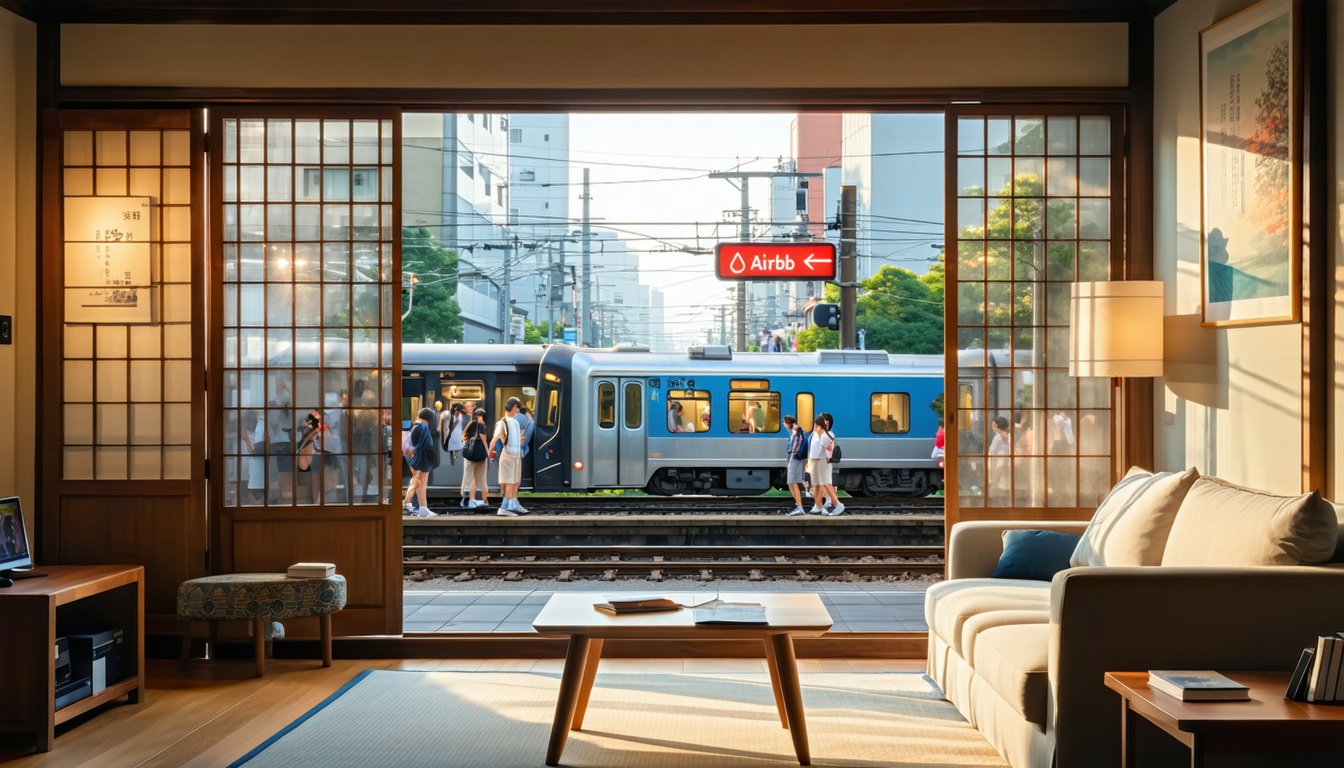
Natural light spills in, crowds flow out, and before you know it, you’re off to the next stop without missing a beat. In a city as sprawling as Tokyo, your choice of lodging can make or break your adventure. With Tokyo hotel accessibility top of mind, you’ll waste less time on train transfers and more time exploring vibrant neighborhoods, sampling street food, or just catching your breath.
In this ultimate guide, you’ll find
-
must-see areas within a stroll of major stations
-
lodging types that match your style and budget
-
tips for snagging the best deal
-
tricks for breezing through check-in and hopping on the next train
Let’s dive in so you can lock in the perfect stay near the action.
Explore top neighborhoods
Each Tokyo district brings its own vibe, must-see attractions, and station superpowers. Here’s where to focus your search.
Shinjuku area
Just one of the busiest stations on earth, Shinjuku links you to Yamanote, Chuo, and dozens of subway lines. You’ll find everything from budget dorm beds to business hotels with concierge desks.
-
Best for night owls, foodies, and nonstop energy
-
Quick ride to Shibuya, Ikebukuro, or Tokyo station
-
Lodging picks: business hotels tokyo stations, budget hostels tokyo stations
Shibuya area
Cross that famous scramble, and you’re in Shibuya.
-
Young crowd, trendy shops, nonstop nightlife
-
Major hub on Yamanote and multiple subway lines
-
Stay in hip capsule hotels or mid-range business inns
Tokyo station district
Power travelers and first-timers love this zone.
-
Direct bullet-train (Shinkansen) access
-
Iconic red-brick exterior and underground malls
-
Options range from luxury brands to smart business rooms (luxury hotels tokyo stations)
Ueno and Asakusa
Culture buffs and history fans, listen up.
-
Ueno’s museums, parks, and zoo just steps away
-
Asakusa’s Senso-ji temple, street stalls, and river cruises
-
Budget finds: capsule picks, friendly hostels
Ikebukuro and Sugamo
A quieter counterpoint to Shibuya and Shinjuku.
-
Sugamo’s charm is perfect if you like old-school Japanese shopping streets
-
Ikebukuro’s Sunshine City, anime spaces, and department stores
-
Hostel and capsule options line the main streets
Pro tip: Bookmark best areas stay tokyo for a deeper dive into each neighborhood.
Compare lodging options
Tokyo caters to every style and price range. Which one fits you?
Budget hostels
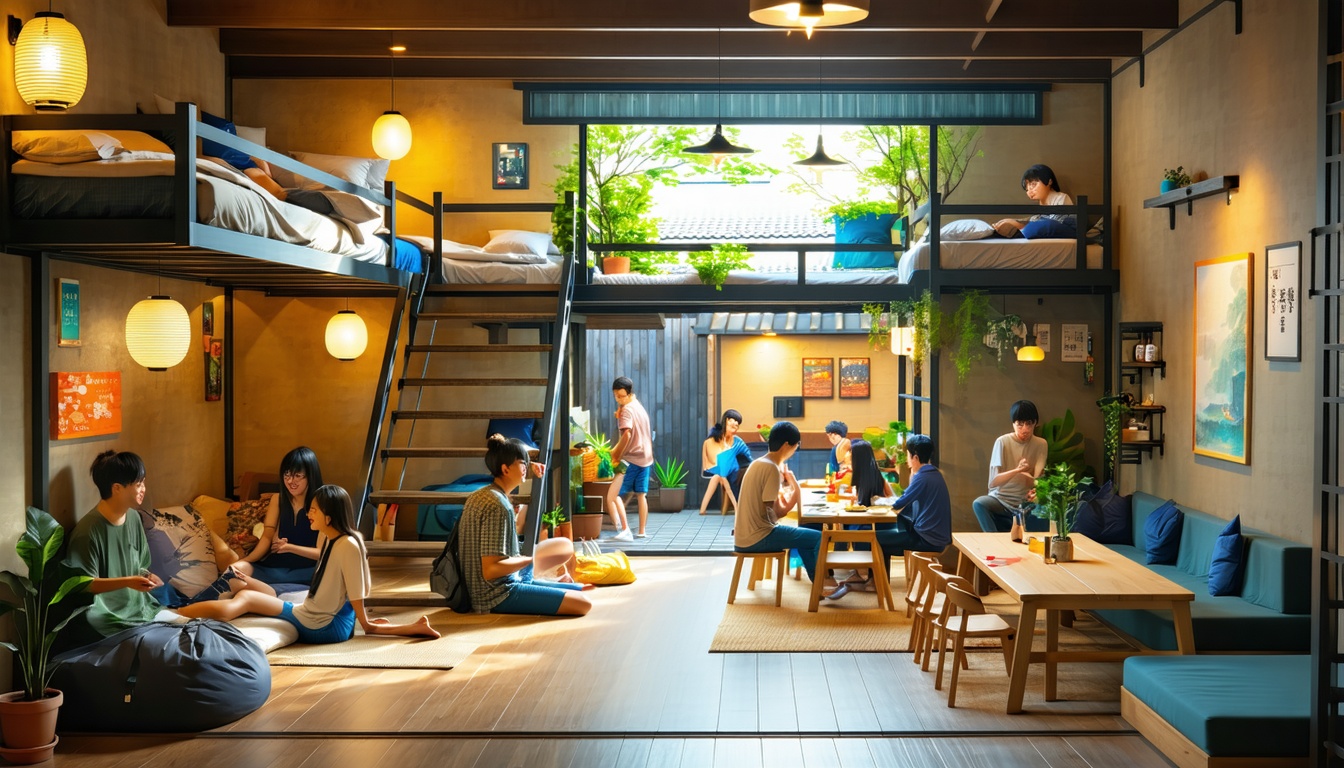
Perfect if you don’t mind a bunk.
-
Shared dorms keep costs low
-
Common kitchens, social lounges, lockers
-
Ideal for backpackers and solo travelers (backpacker hostels tokyo)
Capsule hotels
A snug pod for one, with just enough space to sleep and stash your bag.
-
Compact, often with shared baths and saunas
-
Best for short stays or light packers
-
Check out capsule hotels tokyo experience
Business hotels
Clean, compact rooms with a desk, mini-fridge, sometimes a public bath.
-
Consistent service and predictable layout
-
Great for solo business and leisure travelers
-
Browse business hotels tokyo stations
Luxury hotels
Spacious rooms, plush amenities, upscale dining.
-
Valet, concierge, fitness centers
-
Often attached to major stations or shopping complexes
-
See luxury hotels tokyo stations
Ryokan stays
Traditional inns with tatami floors, futon bedding, and communal baths.
-
Culture-rich experience, polite service
-
Look for newer properties designed for Western guests
-
Plan ahead via ryokan traditional inns tokyo
Family-friendly hotels
Larger rooms, extra beds, kid-approved amenities.
-
In-room fridges, play areas, sometimes pools
-
A calmer vibe away from party districts
-
Find your fit at family-friendly hotels tokyo
Assess price and value
Once you pick a neighborhood and lodging type, it’s time to match your budget to real nightly rates. Use this as a rough guide:
Tier Price per night (¥) Typical area Lodging types
Budget 3,000 – 7,000 Asakusa, Ueno, Sugamo Hostels, capsules
Mid-range 8,000 – 15,000 Shinjuku, Ikebukuro Business, family stays
Upscale 16,000 – 30,000 Tokyo station, Ginza Luxury, ryokan
For more detailed cost breakdowns and side-by-side comparisons, check tokyo hotel price comparison.
Navigate station access
Getting on and off trains smoothly is a game-changer. Here’s how to master it.
Understand train lines
Tokyo’s rail map can feel overwhelming, but these basics will help you plan.
Yamanote line
A circular JR route connecting Shibuya, Shinjuku, Ikebukuro, and more.
-
Trains every 2–3 minutes
-
Ideal for hopping between major hubs
-
Explore nearby stays via hotels near yamanote line stations
Subway network
Fifteen lines by Tokyo Metro and Toei.
-
Color-coded maps make transfers easier
-
Buy a prepaid Suica or Pasmo card for tap-and-go
Private rail
Lines like Odakyu and Keio serve outer wards.
-
Good for day trips to Hakone or Mount Takao
-
Check hotel proximity if you plan off-peak exploration
Use station maps
Most major stations have floor plans online or posted on walls.
-
Note exits by number or color-coded zones
-
Save a screenshot before you go underground
Pack light for transit
Bulky luggage is a subway headache.
-
Use coin-lockers (¥500–¥800 per day) or hotel storage
-
Consider a compact foldable bag for day tours
Plan booking process
Smooth booking puts you one step closer to Tokyo adventures.
Getting the best deal
-
Compare sites like Rakuten, Jalan, and global OTAs (hotel booking websites japan)
-
Join loyalty programs for members-only rates
-
Read cancellation rules before you click confirm
Streamlining check-in
-
Many Tokyo hotels offer 24-hour front desks
-
Fill out online pre-check-in forms if available
-
Have your passport and reservation QR code ready (tokyo hotel check in process)
Following etiquette
-
Shoes off in ryokan and some business hotels (tokyo hotel etiquette rules)
-
Quiet hours often start around 10 pm
-
Bow or nod when greeting staff
Maximize hotel amenities
Your room can be a basecamp for work, play, and everything in between.
Secure free wifi and workspace
-
Most business and upscale hotels offer free high-speed wifi
-
Look for rooms with desks or in-lobby work pods
-
Review connectivity at tokyo hotel wifi internet
Enjoy breakfast perks
-
Many lodgings include a simple buffet or continental spread
-
If you skip, grab onigiri (rice balls) from station konbini (convenience stores)
-
Compare options at tokyo hotel breakfast options
Check barrier-free options
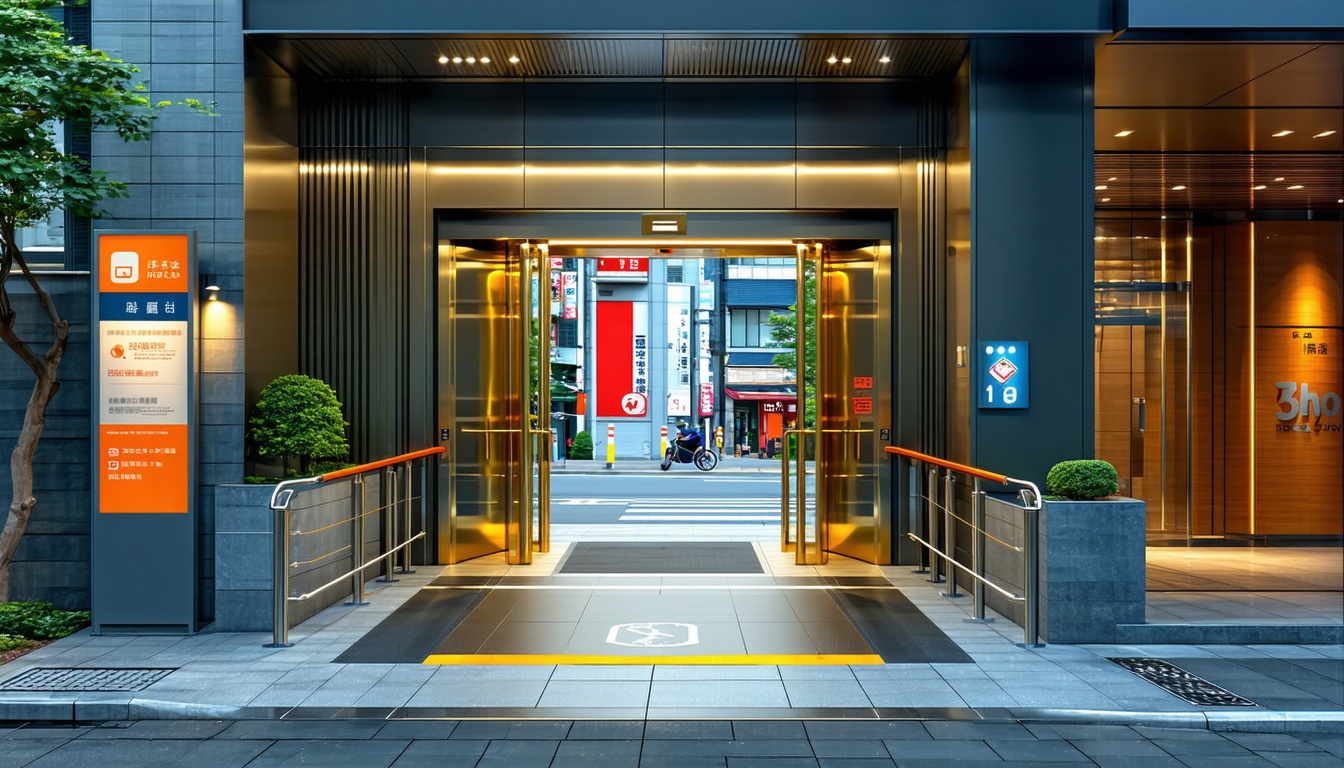
If you need wheelchair-friendly rooms or roll-in showers, plan ahead
-
Only about 0.4 percent of Japanese hotel rooms offer full wheelchair access (The Japan News)
-
For detailed listings, browse Accessible Japan’s database with roll-in showers, hearing loops, and guide-dog support (Accessible Japan)
Use luggage and laundry services
-
Coin laundries on site save you packing bulkier bags
-
Many hotels store your bags before check-in or after checkout at no extra cost
Leverage local tips
-
Ask the front desk for station exit shortcuts
-
Some hotels loan chargers, umbrellas, or portable Wi-Fi routers
-
See tokyo hotel amenities guide for a full rundown
Wrap up and next steps
You’ve scoped neighborhoods, matched lodging styles, compared rates, and mastered station navigation. Now it’s time for action: pick your ideal area, choose your style, and lock in the deal. With a few clicks you’ll be on your way to Tokyo’s neon streets, ancient temples, and unforgettable sushi counters.
Enjoy your trip, share your favorite stay hacks in the comments, and don’t forget to bookmark this guide for next time you hit Tokyo.
Frequently asked questions
What’s the best area for first-time visitors? Shinjuku or Tokyo station district offers straightforward transfers, plenty of dining, and easy access to other wards via Yamanote line.
Are capsules too cramped for long stays? Capsules shine for 1–2 nights or minimalists. If you need extra workspace or longer stays, consider a business hotel with a dedicated desk.
How early should I book during peak seasons? Golden Week and cherry‐blossom season sell out fast. Aim to reserve 2–3 months ahead to lock in budget-friendly rates.
Can I leave my luggage at the hotel before check-in? Yes, most hotels will store your bags free of charge, so you can explore hands-free until your room’s ready.
Is it easy to switch neighborhoods mid-trip? Absolutely. The Yamanote line loops through major hubs, so moving from Shibuya to Ueno is just a few stops away.