Explore Tokyos Seasonal Food Specialties for Every Taste
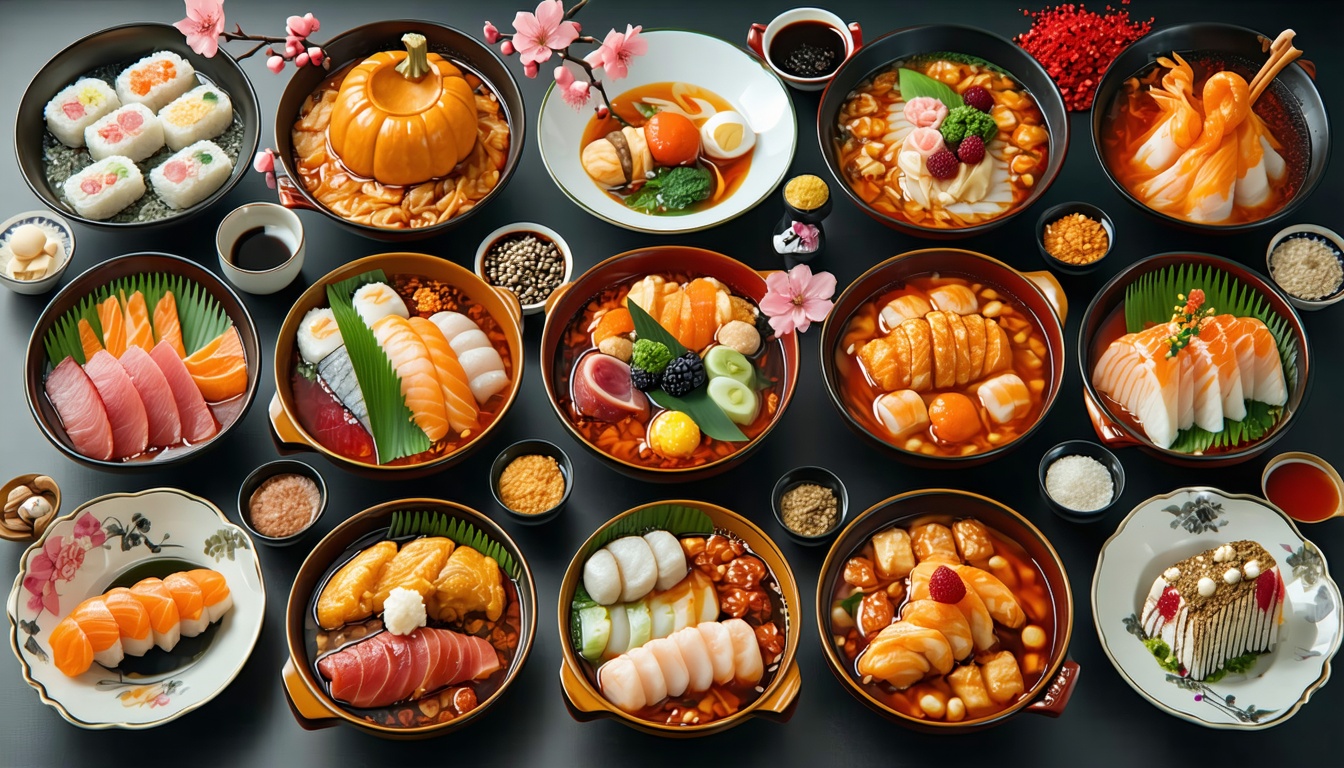
If you’re planning a trip to Japan’s capital, you’ll want to know about Tokyo seasonal food specialties. These dishes let you taste the city’s rhythm of spring blossoms, summer festivals, autumn harvests, and winter comforts on every plate. In this ultimate guide, you’ll discover signature bites, must-visit events, and insider tips for enjoying Tokyo’s seasonal eats—no matter when you arrive.
You’ll get:
-
A season-by-season breakdown of top dishes and treats
-
Local festivals and markets where you can sample them
-
Pro tips on timing, reservations, and souvenirs
Let’s dive into the flavors that make Tokyo shine year-round.
Discover spring flavors
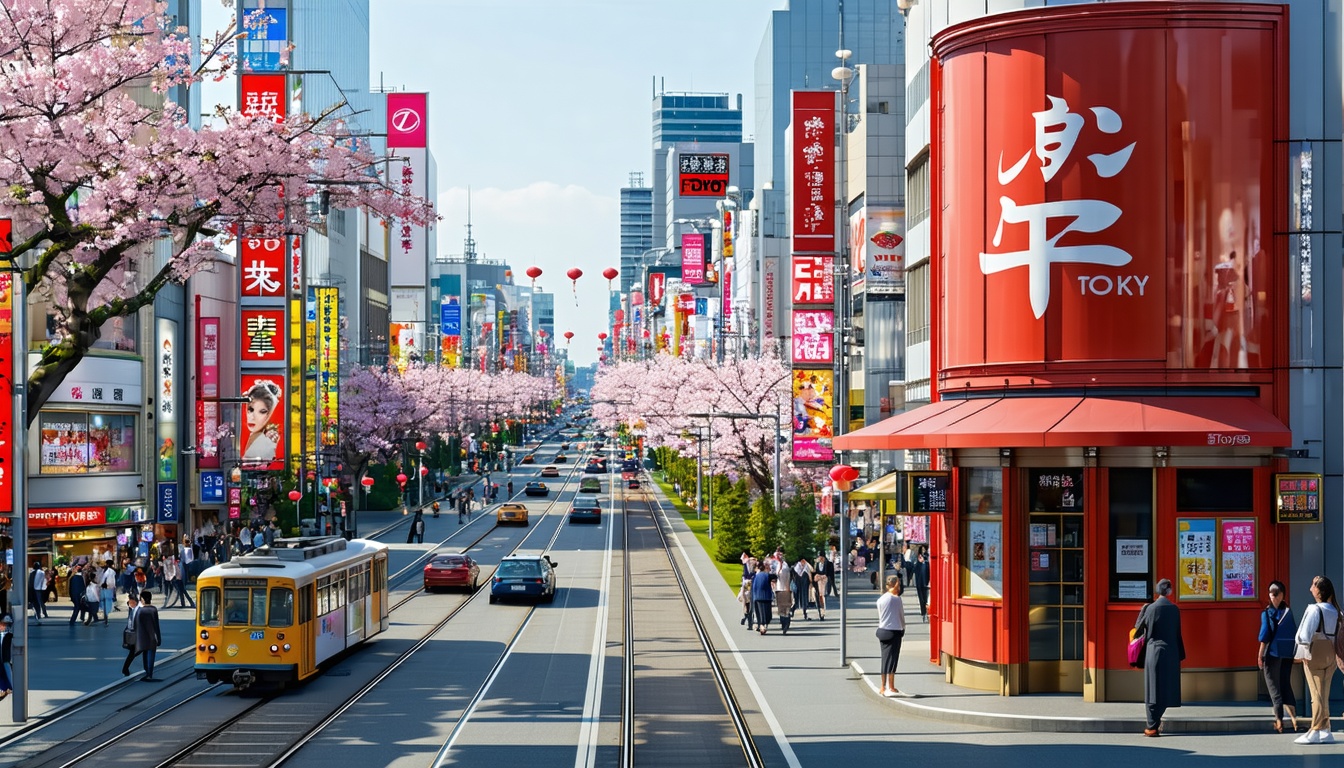
Spring in Tokyo bursts into soft shades of pink as cherry blossoms blanket parks and riverbanks. Beyond the hanami picnics, there’s a world of sakura-themed treats, fresh bamboo shoots, and wild greens to explore. Ready to taste spring?
Cherry blossom delights
When the pink petals start to fall, vendors roll out sakura mochi (sweet rice cakes wrapped in pickled cherry leaves) and hanami dango (triple-colored rice dumplings). These treats show up at every corner bakery, convenience store, and street stall.
-
Sakura mochi: Soft, floral-scented rice cake wrapped in a salted sakura leaf
-
Hanami dango: Chewy rice balls in pink, white, and green, often skewered
-
Sakura latte: Steamed milk with cherry blossom syrup and petals on top
You’ll even find sakura-flavored ice cream and lattes at cafes around Ueno Park—one of the best spots for blooms and bites. Don’t miss limited-edition snacks at department store food halls near major stations.
Wild greens and bamboo shoots
Before the trees bloom, Tokyo chefs celebrate spring’s earthier side with takenoko (bamboo shoots) and sansai (mountain vegetables). Look for dishes like:
-
Takenoko gohan: Rice steamed with fresh bamboo shoots
-
Fuki no tō tempura: Bitter butterbur buds lightly fried to a crisp
-
Nanohana ohitashi: Blanched rapeseed blossoms dressed in soy and dashi
Seasonal izakayas may serve sansai sashimi—thinly sliced mountain greens with ponzu. It’s earthy, bright, and totally unexpected.
Where to taste spring bites
Want to pair blossoms with bites? Head to tokyo hanami cherry blossom spots such as:
-
Ueno Park – Nearly 1,200 cherry trees and festival vendors
-
Shinjuku Gyoen – Spacious lawns and multiple blossom varieties
-
Sumida Park – Riverside strolls with Tokyo Skytree in the background
For insider spring activities, check out tokyo spring activities for hanami tours and food-fest pairings. Booking a riverside picnic set in advance can save you from scrambling for snacks on peak bloom days.
Savor summer specials
Summer in Tokyo is hot, humid, and alive with matsuri (festivals) and beer gardens. You’ll need light, refreshing dishes to stay cool—and plenty of energy boosts to join late-night street fairs. Ready to beat the heat?
Chilled noodles and shaved ice
Nothing says summer like hiyashi-chuka, a bright bowl of chilled ramen noodles topped with sliced cucumber, ham, egg ribbons, and a tangy sesame or soy dressing. It’s like a salad in noodle form.
And when the mercury soars, locals flock to kakigōri, Japanese shaved ice flavored with syrups such as matcha, strawberry, or sweet red bean. Some shops layer condensed milk and fruit for an over-the-top treat.
Eel dishes for stamina
Unagi (freshwater eel) is prized for summer stamina. Look for:
-
Unaju: Grilled eel glazed with sweet soy served over rice in a lacquered box
-
Hitsumabushi: Nagoya-style eel chopped into bite-sized pieces, served with broth and condiments for multiple eating styles
You’ll spot unagi restaurants near busy stations—just follow the smoky aroma wafting down the street.
Festival treats under the sun
Summer matsuri bring out classic festival foods at every corner stall:
-
Yakitori: Charcoal-grilled chicken skewers
-
Kakuni manju: Steamed bun filled with braised pork belly
-
Ramune soda: Iconic glass-bottled drink with marble stopper
For a full calendar of summer foodie events, check tokyo summer festivals guide. You’ll find beer gardens atop department stores, matsuri stalls at neighborhood shrines, and even themed afternoon teas like the Blooming Summer Afternoon Tea 2025 at The Prince Gallery Tokyo Kioicho (Japan Travel).
Here’s a snapshot of major food fairs in Tokyo:
Event Month Highlights
Furusato Gourmet Terrace (Tohoku) April Regional Tōhoku specialties
OKINAWA FES Milafete May Okinawan dishes and awamori tasting
Hokkaido Fair September Seafood bowls, kaiseki courses (Magical Trip)
Japanese Regional Ramen Championship October Top 10 regional ramen shops battle for No. 1
Kyushu Tourism and Products Fair October Charcoal-grilled chicken, tonkotsu ramen, sake sets
Taste autumn treasures
When the heat fades, Tokyo turns into a painter’s palette of reds, oranges, and golds. Alongside the momiji (maple leaves), you’ll find an autumn harvest of mushrooms, chestnuts, and hearty fish dishes. Let’s explore.
Mushrooms, chestnuts, and sweet potatoes
Autumn is matsutake mushroom season—chefs showcase their earthy aroma in rice, soups, or grilled skewers. You’ll also see kuri gohan (chestnut rice), where parboiled chestnuts steam right into your rice bowl.
Don’t skip yakiimo (baked sweet potatoes) sold from old-fashioned trucks. Wrap your hands around a warm sweet potato for the ultimate cozy snack.
Grilled sanma and other fish
Sanma (Pacific saury) arrives in fall, prized for its rich, fatty flavor. You may find:
-
Sanma shioyaki: Whole fish salted and grilled
-
Sanma kabayaki: Glazed in sweet soy, similar to eel preparation
Seafood markets like Tsukiji Outer Market feature sanma along with seasonal shellfish—perfect for a morning stroll and snack hunt.
Best autumn spots
Pair your fall bites with color-hunting at spots like tokyo autumn leaves best spots:
-
Rikugien Garden – Illuminated night view with red Japanese maples
-
Ueno Park – Broad avenues lined with ginkgo and maple
-
Koishikawa Korakuen – A classic landscape garden set ablaze in gold
For more on chasing Tokyo’s fall hues, see tokyo momiji autumn colors.
Warm up with winter comforts
Winter temperatures rarely dip below freezing, but Tokyo’s cold season comes with steaming bowls, bright festivals, and citrus treats. Here’s how to chase away the chill.
Hearty hot pots and stews
Nabe (hot pot) is the ultimate communal winter meal. You can opt for:
-
Yosenabe: Mixed seafood and veggies in a mild broth
-
Chanko nabe: Sumo wrestler-style stew loaded with protein
-
Shabu-shabu: Thinly sliced meat swished in boiling broth
Or try oden, a light dashi-based stew with fishcakes, daikon, and boiled eggs—sold at convenience stores and yatai (street stalls) across the city (Byfood).
Festive sweets and citrus
Tokyo’s winter brings:
-
Zenzai: Sweet red bean soup with mochi
-
Mikan oranges: High-vitamin C citrus in season December to February (Byfood)
-
Strawberry shortcake: A Christmas classic with hothouse strawberries
You’ll find Christmas markets offering glühwein and stollen alongside Japanese sweets at Roppongi Hills and Marunouchi.
Top winter food fairs and illuminations
Combine sparkling lights with warming eats at events like:
-
tokyo winter illuminations at Midtown and Caretta Shiodome
-
Tokyo Christmas events featuring themed snacks and cocktails
-
New Year celebrations with osechi-ryōri (traditional multi-tiered New Year dishes) at select ryōtei (luxury restaurants)
These festivals pair perfectly with warm sake or a whisky highball.
Plan your food adventure
You’ve got the rundown on dishes and events. Now let’s talk logistics—so you can make every bite count.
Timing and reservations
-
Cherry blossoms typically peak late March to early April (Japan-Guide)
-
Summer matsuri run from June through August, with rainy season in early June (Two Wandering Soles)
-
Autumn color peaks mid-September to early December
-
Winter festivals and New Year celebrations span December to February
For smooth planning, see tokyo seasonal weather and tokyo seasonal travel tips.
Market and restaurant tips
-
Hit Tsukiji Outer Market for early-morning sashimi and sanma grills
-
Explore depachika (department store food halls) at Isetan Shinjuku and Mitsukoshi Ginza
-
Book kaiseki or sushi counters at least two weeks ahead in spring and autumn
-
Look for standing bars (tachinomi) near major stations for casual oden and sake
Gourmet souvenirs to bring home
You’ll want edible souvenirs to remember each season:
-
Umeboshi pickled plums or umeshu liqueur from Minabe-style plum shops (A Travelling Foodie in Japan)
-
Shizuoka wasabi products for sushi nights at home
-
Hokkaido uni (sea urchin) or Yamagata cherries for a premium treat
-
Tokyo sweets like monaka (wafer cakes) filled with seasonal bean paste
Find these at Tokyo Station’s Character Street or the gourmet floors of major department stores. For more on buying edible Tokyo keepsakes, check tokyo seasonal shopping.
Key takeaways
-
Spring brings sakura sweets, bamboo shoots, and wild greens during hanami season
-
Summer calls for chilled noodles, shaved ice, eel dishes, and festival street food
-
Autumn offers matsutake mushrooms, chestnuts, grilled sanma, and cozy yakiimo
-
Winter shines with nabe hot pots, oden stalls, citrus sweets, and festive markets
-
Plan around bloom and foliage peaks, book ahead for kaiseki, and hit depachika for fresh snacks
Which season’s flavors are you trying first? Share your favorite finds in the comments below so fellow travelers can add them to their Tokyo foodie map.
Frequently asked questions
What’s the best time to try cherry blossom-themed snacks in Tokyo? Late March to early April, when sakura blooms peak in parks like Ueno and Shinjuku Gyoen.
Are there vegetarian seasonal dishes available year-round? Yes, look for sansai (mountain vegetables) in spring, earthy mushrooms in autumn, and vegetable nabe in winter.
Do I need reservations for summer festival food stalls? No reservations are required for matsuri stalls—just bring cash and your appetite.
How can I find limited-edition sweets at department stores? Check the depachika floors of Isetan Shinjuku or Mitsukoshi Ginza; they rotate seasonal snacks weekly.
Can I sample Tokyo’s seasonal dishes on a budget? Absolutely—visit convenience stores for sakura treats in spring, oden in winter, and yakiimo trucks in autumn.