Your Guide to Stunning Tokyo Temples Near Yamanote Line
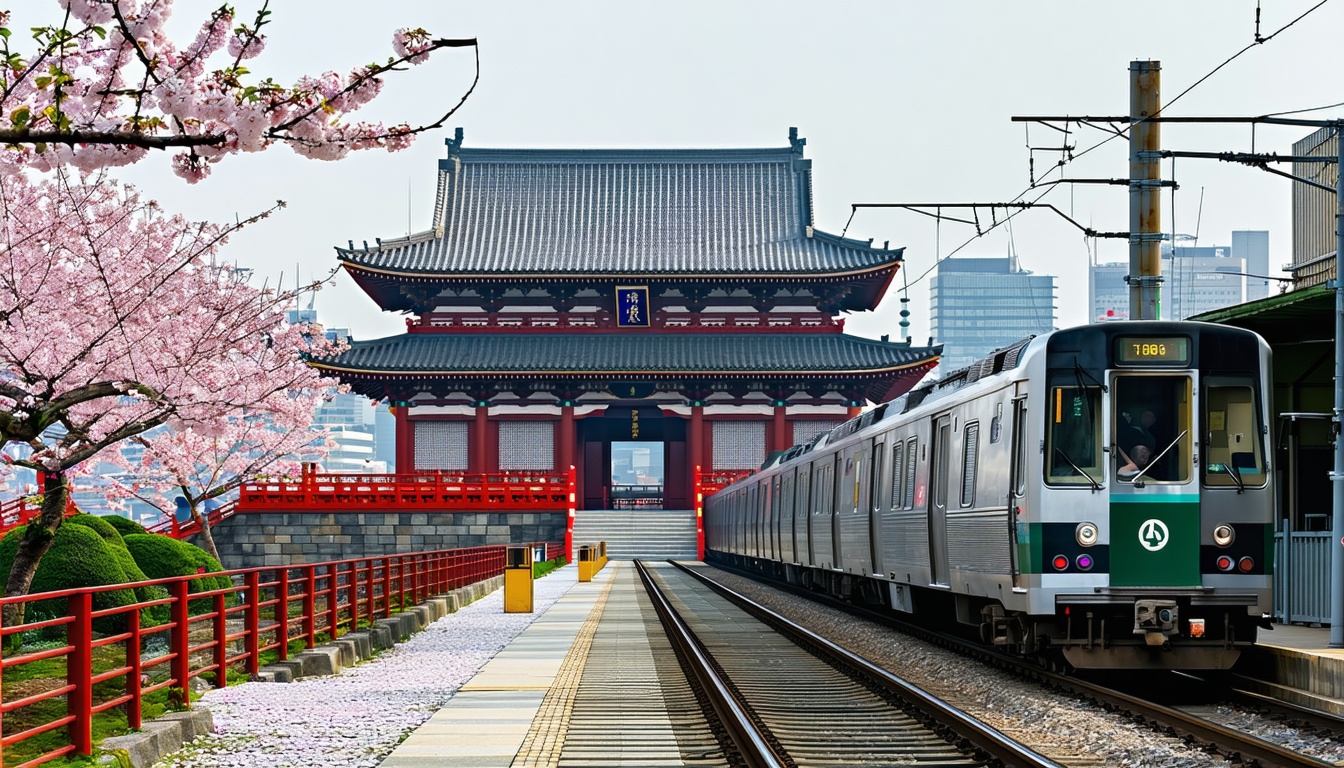
When the JR Yamanote Line loops you through Tokyo’s trendiest hubs and leafy retreats, you might be surprised to discover centuries-old temples just a short stroll from the station. In this ultimate guide you’ll find everything you need to balance serene rituals with neon-lit cityscapes. You’ll learn which sacred sites line the loop, how to reach each one, and ways to mix tradition with modern hotspots.
Here’s what you’ll get
-
A quick-scan table of top temples near the Yamanote Line
-
In-depth profiles, including history, highlights, and access tips
-
Ideas for pairing temple visits with local culture and street food
-
Practical planning advice, from etiquette to itinerary hacks
-
Answers to your FAQs so you can explore stress-free
Discover Tokyo temples near Yamanote Line
Below is a snapshot of must-see sacred sites within walking distance of Yamanote stations. Use this as your quick reference, then keep reading for deep dives on each spot.
Temple/shrine Nearest station Tradition Entry fee Highlight
Meiji Shrine Harajuku (Yamanote) Shinto Free Forested approach, sake barrels
Zojoji Temple Hamamatsucho Buddhist Free Tokyo Tower backdrop
Sengakuji Temple Shinagawa (Yamanote) Buddhist Free Graves of the 47 Ronin
Nezu Shrine Ueno (Yamanote) Shinto ¥100 (garden) Tunnel of torii gates
Koganji Temple Sugamo (Yamanote) Buddhist Free Healing statue, “Grandma’s Harajuku”
Kaichu Inari Shrine Shin-Okubo Shinto Free Game-luck rituals
Yushima Seido Ueno (Yamanote) Confucian Free World’s largest Confucius statue
Explore sacred highlights
Dive into each site’s story, top sights, and station-to-shrine tips.
Meiji Shrine
Origins and significance
Built in 1920, Meiji Shrine honors Emperor Meiji and Empress Shoken, who guided Japan’s rapid modernization in the late 19th century. Nestled in a two-square-mile forest, it offers a peaceful pause from Harajuku’s buzz.
Must-see spots
-
Grand torii gate at the Harajuku entrance
-
Inner garden with seasonal blooms (iris are stunning in June)
-
Rows of sake barrels lining the main hall
Getting there
From Harajuku Station (Yamanote), take the Omotesando exit. Follow the wide gravel path past towering cedar trees. It’s an easy ten-minute walk. For more on exploring the grounds, check our meiji shrine harajuku guide.
Zojoji Temple
Origins and significance
Established in 1393, Zojoji served as the Tokugawa shogunate’s family temple. Although much burned in wartime, its 1622 Sangadetsumon gate still stands as Tokyo’s oldest wooden structure.
Must-see spots
-
Sangadetsumon gate with mossy stones
-
Main hall framed by Tokyo Tower in the distance
-
1,300 Jizo statues honoring lost souls
Getting there
Exit Hamamatsucho Station (Yamanote) at the south ticket gate. A five-minute walk down Hibiya Dori brings you to the temple grounds.
Sengakuji Temple
Origins and significance
Famed for the 47 Ronin—samurai who avenged their lord’s death—Sengakuji houses their graves. Every December 14, a festival draws thousands to honor this act of loyalty (Japan-Guide).
Must-see spots
-
Row of seventy-six graves, including the 47 Ronin
-
Incense pit for offerings and prayers
-
Memorial museum with artifacts
Getting there
From Shinagawa Station (Yamanote), exit the Takanawa Gate and walk five minutes south. No transfer needed.
Nezu Shrine
Origins and significance
Founded in 1705, Nezu Shrine is renowned for its crimson torii gate tunnel and an azalea festival every April. It blends peaceful greenery with historic architecture (Japlanease).
Must-see spots
-
Azalea garden with 3,000 plants in mid-April
-
Ancient honden (main hall) and drum bridge
-
Koi pond surrounded by maple trees
Getting there
Ueno Station (Yamanote) is a 12-minute walk. Head east from the park exit, then follow signs to Sendagi and Nezu.
For tips on pairing gardens with your temple hit list, see our traditional japanese gardens tokyo guide.
Koganji Temple
Origins and significance
Known as “Obaachan no Harajuku” (“Grandma’s Harajuku”), Sugamo’s Koganji beckons seniors seeking health and good luck. A Jizo statue here is believed to heal pain and illness.
Must-see spots
-
Red-cloaked Jizo statue
-
Historic shopping street lined with sweet potato snacks
-
Colorful festival stalls during the Bon Odori summer event
Getting there
Sugamo Station (Yamanote) south exit leads you directly to Jizodori Shopping Street. Walk five minutes north to reach the temple.
Kaichu Inari Shrine
Origins and significance
Tucked into Tokyo’s Korea Town in Shin-Okubo, this small Shinto shrine welcomes gamers and competition lovers. It’s growing in popularity thanks to K-pop and gaming culture.
Must-see spots
-
Rows of stone fox statues guarding the grounds
-
Votive plaques (ema) marked with game-themed wishes
-
Miniature torii gates near the main altar
Getting there
From Shin-Okubo Station (Yamanote), head east toward the main shopping street. After about four minutes on foot you’ll spot the shrine on your right.
Yushima Seido
Origins and significance
Yushima Seido is Japan’s premier Confucian temple, rebuilt in the 1930s by architect Ito Chuta. It houses the world’s largest statue of Confucius, symbolizing intellectual history.
Must-see spots
-
Grand lecture hall and wooden pillars
-
Statue of Confucius flanked by disciples
-
Occasional cultural lectures and ceremonies
Getting there
Walk fifteen minutes from Ueno Station (Yamanote) south exit, or ride the Chiyoda Subway Line two stops to Yushima Station then stroll five minutes.
Mix tradition with modern
Pair your temple visits with contemporary Tokyo vibes. Here are neighborhood combos to consider:
Harajuku + Meiji Shrine
After bowing at the honden, wander Takeshita Street for kawaii finds
Sip matcha lattes at a tree-lined Omotesando Hills café
Ueno + Nezu Shrine
Explore Ueno Park’s cherry blossoms or art museums next door
Grab street snacks at Ameya Yokocho market stalls
Hamamatsucho + Zojoji Temple
Snap Tokyo Tower photos at the main hall
Hop on a cruise from nearby Shibaura to see the city skyline
Shinagawa + Sengakuji Temple
Dive into waterfront dining at Tennozu Isle
Check out modern art at a gallery along the canal
Shin-Okubo + Kaichu Inari Shrine
Feast on Korean BBQ and bubble tea
Browse Korean cosmetics shops for trendy souvenirs
For a deeper dive into Tokyo’s cutting-edge culture, head over to our modern tokyo culture guide.
Plan your temple adventure
Here are a few pointers to make your journey smooth and respectful.
-
Carry a Suica or Pasmo
-
Topping up at machines is a breeze
-
You’ll save time boarding trains around the loop
-
Observe purification rituals
-
Rinse hands and mouth at the chozuya (water pavilion)
-
Use your left hand, then right, then sip water with your left hand
-
Follow photography rules
-
Some halls forbid flash or cameras
-
When in doubt, look for signs or ask a staff member
-
Dress modestly
-
Cover shoulders and knees in main halls
-
Remove hats before entering worship spaces
-
Respect offerings and ceremonies
-
Toss coins into the offertory box, bow twice, clap twice, then bow again
-
Stay quiet during prayers, and avoid blocking worshippers
Want more on local manners and customs? Check out our tokyo cultural etiquette page.
Sample half-day loop
-
9:00 AM: Arrive at Harajuku Station, walk to Meiji Shrine
-
10:30 AM: Stroll through Takeshita Street, enjoy a crepe snack
-
12:00 PM: Jump on Yamanote to Ueno; visit Nezu Shrine
-
1:30 PM: Lunch at Ameya Yokocho
-
3:00 PM: Head south to Hamamatsucho for Zojoji and Tokyo Tower views
Adjust times to suit your pace, or swap in Sengakuji for a Shinagawa detour.
Answer common questions
What’s the best time to visit these sites? Weekday mornings offer cool air and fewer crowds. Late spring (April–June) highlights azaleas and iris blooms, while autumn brings vivid foliage.
Are there admission fees? Most shrines and temples on this loop are free. Nezu Shrine charges ¥100 for the iris garden, while some inner gardens may have small fees.
How long should I budget per location? Plan 30–60 minutes at each site. If you want to linger for photos or quiet reflection, add 15–20 extra minutes.
Can I participate in ceremonies? Yes, many places welcome visitors at Goma fire rituals or monthly luck-opening festivals. For details on joining tea ceremonies, see our japanese tea ceremony tokyo guide.
Is photography allowed inside? Generally you can shoot exterior and garden views. Avoid flash in main halls, and look for no-photo signs near altars. When in doubt, watch what locals do or ask politely.
With this guide in hand you’re set to explore the perfect mix of ancient peace and modern energy, all within easy reach of the Yamanote Line. Enjoy your cultural immersion and happy temple hopping!