Your Guide to the Best Tokyo Cultural Workshops
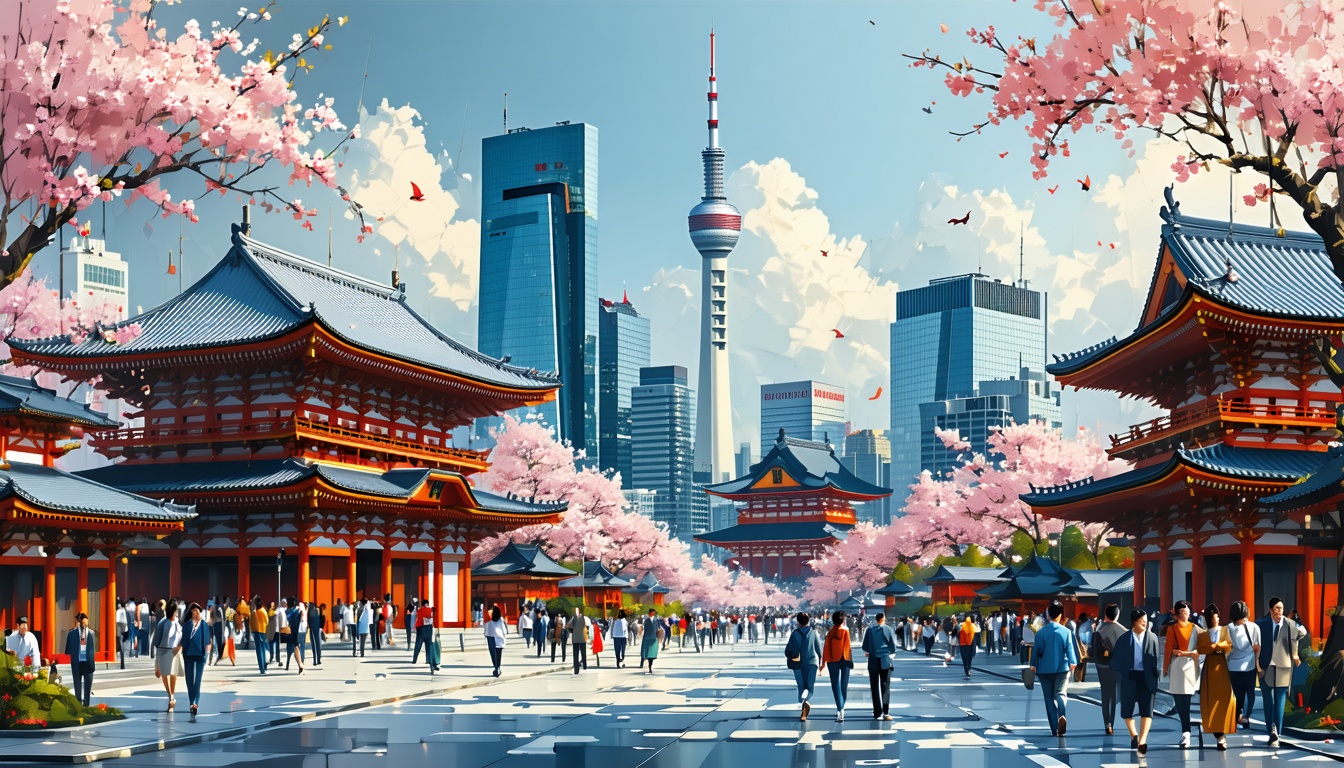
When it comes to Tokyo cultural workshops, you might feel overwhelmed by all the hands-on options. From mastering the art of Kintsugi to folding origami cranes with a pro, Tokyo offers immersive experiences that bring Japanese traditions to life. In this ultimate guide, you’ll find everything you need to pick the perfect workshops, whether you’re into delicate crafts or lively performances.
You’ll discover
-
The top traditional crafts to try
-
Living arts like flower arranging and bonsai
-
Culinary classes that feed your curiosity
-
Unique keepsakes you can make and take home
-
Tips for booking, etiquette, and what to expect
Explore traditional crafts
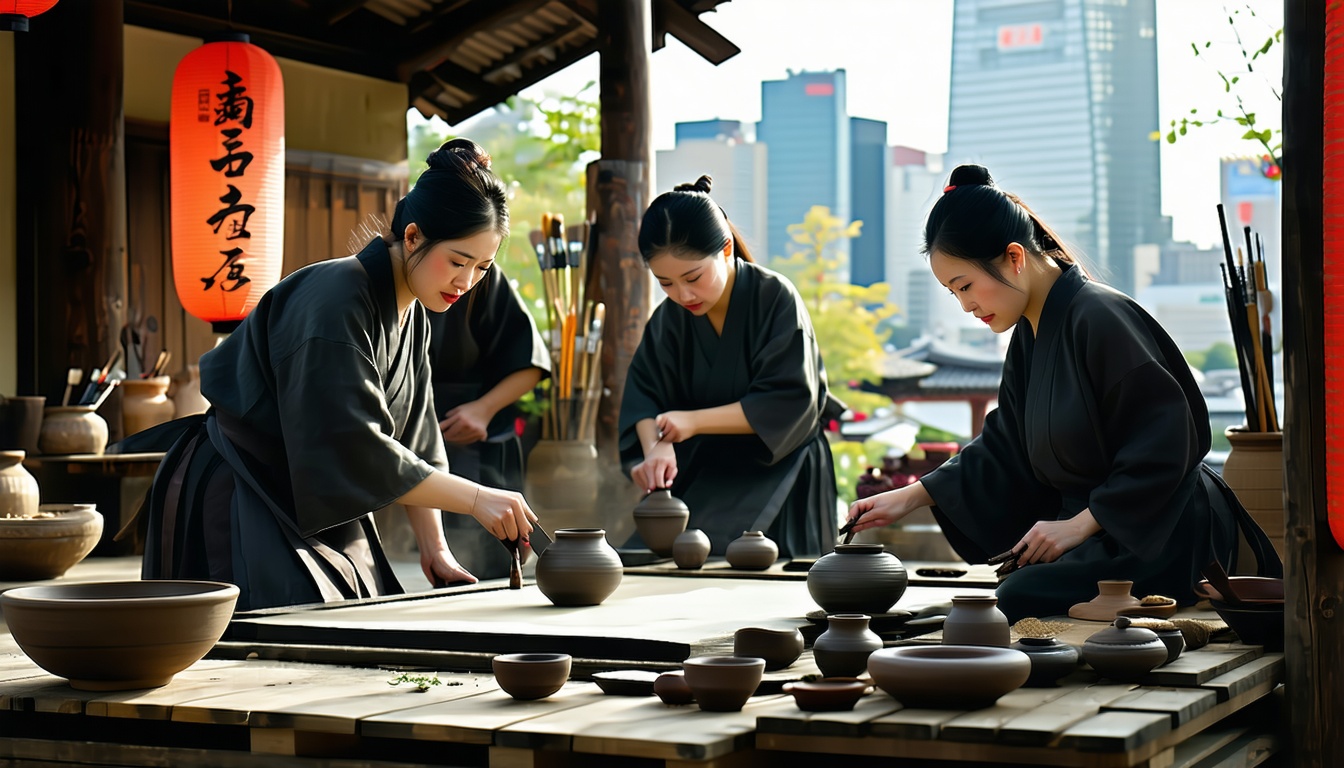
Get hands-on with time-honored techniques in Tokyo’s craft studios. These workshops blend history, philosophy, and practical skills to give you a deep dive into Japanese aesthetics.
Calligraphy and origami workshop
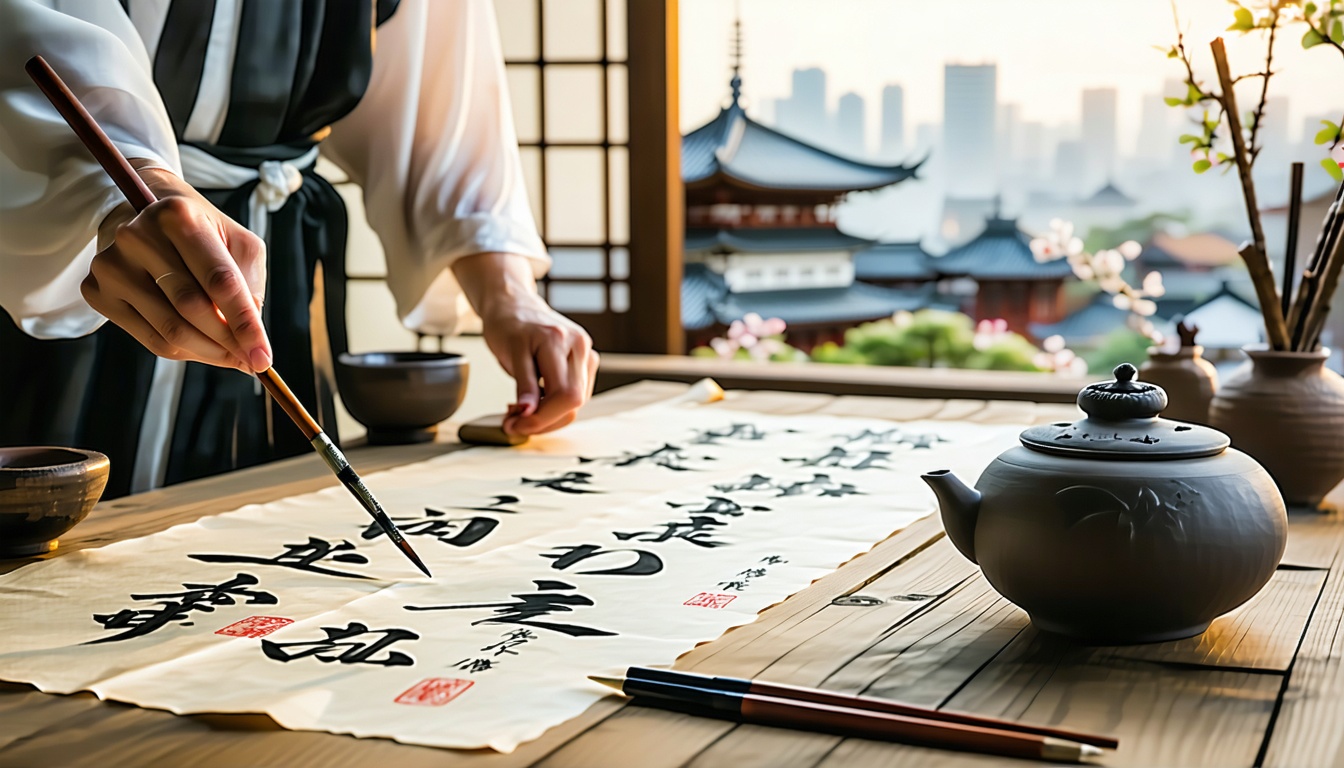
Picture yourself dipping a brush into ink, then folding rice paper into perfect cranes under a master’s guidance. In Shinjuku or Asakusa, you’ll learn both calligraphy (the art of beautiful writing) and origami (paper folding) in a single session. Instructors explain the symbolism behind each character and crane crease, so you grasp not just how, but why you’re doing it.
-
Duration: 2–3 hours
-
Skill level: beginner friendly
What to bring: nothing, they provide all supplies Explore more on japanese calligraphy classes tokyo (/japanese-calligraphy-classes-tokyo) (The Abroad Guide)
Woodblock printing at Takahashi Kobo
At Takahashi Kobo, you’ll dive into Edo-period ukiyo-e printmaking. This historic workshop has 160 years of legacy, and you’ll carve your design onto wood, ink it, then press it onto a bamboo fan or paper. The instructor walks you through each step, so you leave with a personalized souvenir and a story. Learn about traditional tokyo experiences (/traditional-tokyo-experiences) (MATCHA)
Kintsugi pottery repair
Ever thought a broken dish could look better than new? That’s the philosophy of Kintsugi, repairing ceramics with lacquer mixed with gold powder. In a 2-hour class at a crafts shop in Yanaka, you piece together fragments, then highlight cracks with shimmering gold. It’s a hands-on lesson in wabi-sabi, finding beauty in imperfection. ( Tokyo Family Stays )
Learn living art practices
If you crave tranquility and a connection with nature, these living art workshops are your jam. You’ll leave feeling zen and proud of your creation.
Create Ikebana flower art
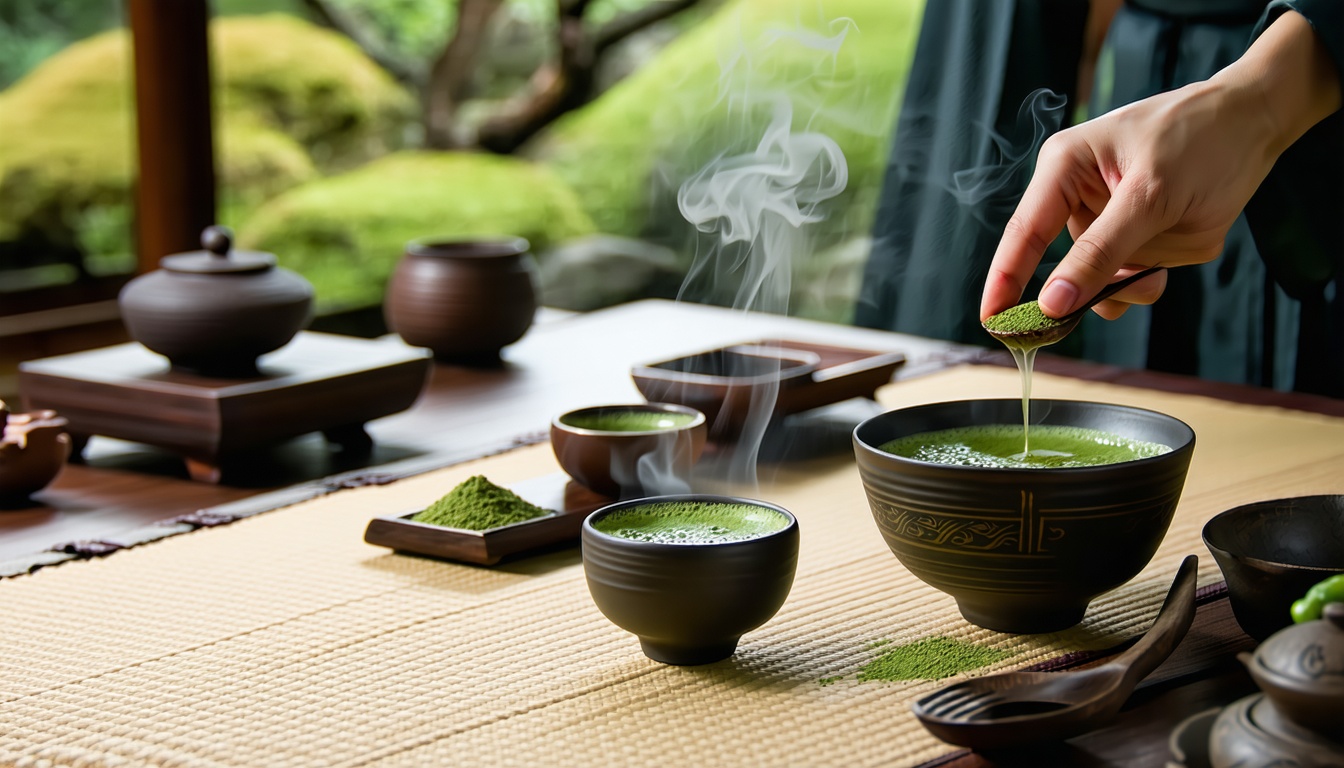
Ikebana is the art of Japanese flower arrangement, emphasizing harmony, balance, and seasonal beauty. Under a master from the Ikenobo school, you’ll trim branches and blooms, then arrange them in a vase to reflect nature’s simplicity. Many classes end with a matcha tea ceremony and wagashi sweets—so you get a taste of both visual and culinary traditions. Don’t forget to check out japanese tea ceremony tokyo (/japanese-tea-ceremony-tokyo) ( MATCHA , Tokyo Family Stays )
Shape your own bonsai
Bonsai is more than miniature trees, it’s a meditation in patience and precision. In a small group session, you’ll learn the history of bonsai, pinch leaves, and wire branches to create your own living sculpture. It’s surprisingly addictive—once you start shaping, you’ll understand why bonsai masters devote their lives to it. ( Tokyo Family Stays )
Cook Japanese staples
Roll up your sleeves for classes that dig into Japan’s delicious side. You’ll learn techniques you can use back home—and impress your friends.
Make homemade miso paste
Miso is fermented soybean paste that flavors so many Japanese dishes. In this class, you’ll mix soybeans, koji (fermented rice), and salt, then press them into a jar to carry home and age. The instructor explains different miso types, fermentation basics, and how to use your batch in soups and marinades. ( Tokyo Family Stays )
Craft traditional wagashi
Wagashi are delicate sweets served with tea, made from rice flour and bean paste. Under a confectioner’s eye, you’ll shape petals, leaves, or seasonal motifs—often inspired by sakura or maple leaves. It’s surprisingly relaxing to create edible art, and you get to taste your floral masterpieces. ( Tokyo Family Stays )
Craft unique keepsakes
From glassware to jewelry, these workshops help you leave Tokyo with something truly one-of-a-kind.
Cut Edo Kiriko glass
At Nakakin Glass Company, you’ll learn Edo Kiriko, a cut-glass art with vibrant colors. You’ll select a glass cup, then use diamond wheels to carve intricate patterns. It takes focus, but you get a stunning tumbler to show off. Discover modern japanese pop culture (/modern-japanese-pop-culture) ( MATCHA )
Design custom jewelry
Biku Designs invites you to craft jewelry inspired by traditional Japanese aesthetics. Using pearls, gemstones, and precious metals, you’ll sketch a design, then set stones under artisan guidance. Gel printing and kimono art elements often weave into the process, giving your piece authentic flair. Explore traditional japanese crafts tokyo (/traditional-japanese-crafts-tokyo) ( Tokyo Family Stays )
Build musical instruments
Ever wanted to strum a shamisen? Here’s your chance to make one from scratch, then play it wearing traditional attire.
Construct a shamisen
Under professional instructors, you’ll assemble a shamisen, a three-stringed instrument central to Japanese folk and theater music. You shape the body, attach strings, then try basic plucking techniques. The class often ends with a mini performance you can join, wearing a yukata or happi coat. ( eWave’s Japanese Cultural Workshops for Travelers )
Dress in traditional attire
Transform your look and step into history with kimono or Maiko experiences that make for unforgettable photos.
Kimono rental and styling
Rent a beautifully crafted kimono, then learn how to tie the obi (sash) and wear traditional tabi socks. Some studios include hair styling and geta sandals, so you’re camera-ready in under an hour. Stroll nearby temples for that classic shot. See japanese traditional clothing rental (/japanese-traditional-clothing-rental)
Enjoy a Maiko dance show
For a peek at geisha culture, book a Maiko (apprentice geisha) performance. You’ll watch elegant dances in ornate kimonos, complete with live shamisen and flutes. Some packages let you chat with performers afterward and snap photos in their makeup. ( The Abroad Guide )
Book cultural combos
If you’re short on planning time, combo tours bundle multiple workshops with transport and guides. You might visit a shrine with a Maiko guide, try calligraphy, then dine on kaiseki cuisine—all in one day. Prices start at £98.06 per person, often including hotel pickup and gratuities. Learn more about authentic tokyo experiences (/authentic-tokyo-experiences) ( The Abroad Guide )
Plan your visit
A little prep goes a long way when diving into these workshops. Here are some friendly tips to keep you confident and comfortable.
Booking tips
-
Reserve at least a week ahead, especially in peak seasons
-
Confirm cancellation and refund policies
-
Ask about language support if you’re not fluent in Japanese
Etiquette and what to expect
-
Arrive 5–10 minutes early, bow when you meet your instructor
-
Speak softly and follow guidance—many of these arts emphasize mindfulness
Handle tools and materials with care, they’re often heirloom quality Read up on tokyo cultural etiquette (/tokyo-cultural-etiquette)
Key takeaways
-
Tokyo cultural workshops blend history, craft, and fun in bite-sized classes
-
From calligraphy to shamisen building, there’s something for every interest
-
Bring an open mind, comfortable clothes, and a sense of curiosity
-
Book early and follow basic etiquette to make the most of your session
Ready to pick your workshop? Whether you’re folding your first crane or plating wagashi, Tokyo’s cultural experiences will stay with you long after you head home. Share your favorite class in the comments below so fellow travelers can join the fun.
Frequently asked questions
What should I wear to a crafts workshop? Comfortable clothes you don’t mind moving in—workshops can involve sitting on the floor or using tools. Avoid bulky sleeves that might dip into ink or glaze.
Do I need any Japanese language skills? Most studios offer English support or bilingual instructors. It helps to learn basic greetings, but you’ll follow demonstrations closely, so language barriers tend to be low.
How long do workshops usually last? Expect 1.5 to 3 hours per session. Some combo tours run half a day, while premium classes with meals can stretch to five hours.
Can I take home my creations? Absolutely. You’ll pack pottery, glassware, paper art, or food items to enjoy (or gift) after your trip. Just double-check transport rules for fragile items.
Are workshops suitable for kids? Many studios welcome children aged 6 and up, with modified projects. Always check age limits when you book to ensure materials and pace are kid-friendly.